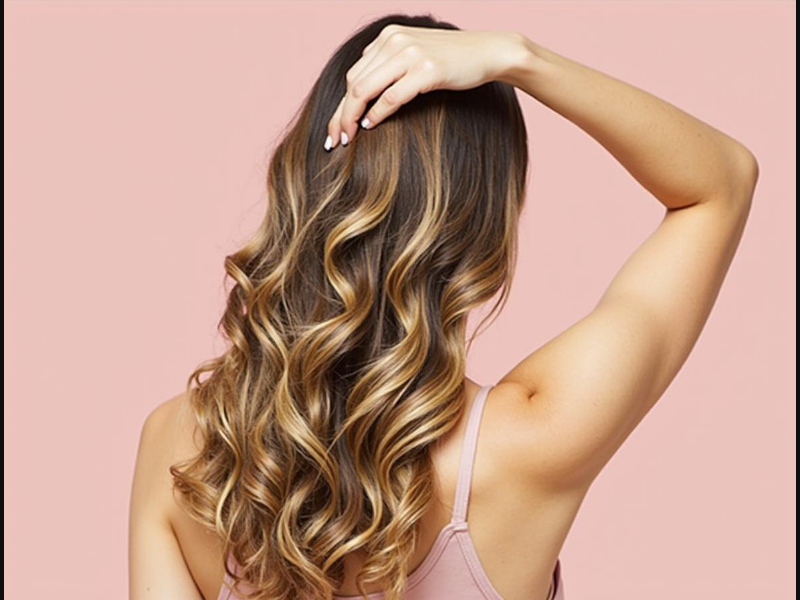
I remember the first time I stumbled upon the buzz surrounding castor oil. I watched countless before-and-after videos, where folks transformed their hair into long, luscious locks seemingly overnight. They slathered it on, wrapped their hair in a shower cap, and went to bed with dreams of thick, glossy strands. Naturally, I jumped on the bandwagon and tried it myself. But much to my disappointment, the results were far from cinematic. If you’ve found yourself in a similar boat, don’t worry, you’re not alone.
Let’s get real: the story of castor oil isn’t about miraculous growth but about its true benefits. The idea that castor oil can speed up hair growth is rampant on social media platforms like TikTok and Pinterest, making its way into every natural hair forum you can find. However, the truth is a bit more nuanced than what the hype suggests.
The Myth Behind Castor Oil
When people claim that castor oil accelerates hair growth, what they often refer to is a concept that has two very different interpretations. While anecdotal evidence abounds, current scientific research does not substantiate the claim that castor oil directly stimulates hair follicles or increases the growth rate of hair. As pointed out by WebMD, there is no robust science backing the assertion that castor oil is as effective for hair growth as treatments like minoxidil or even rosemary oil.
So why do so many seem to swear by this oil? The catch lies not in hair growth itself but rather in how castor oil minimizes hair breakage. By reducing breakage, your hair maintains the length it's already achieving. Now, let’s explore the essential components of castor oil and how it can truly benefit your tresses.
What’s in Castor Oil?
Derived from the seeds of the Ricinus communis plant, castor oil is unique in that it comprises a high percentage of ricinoleic acid—around 89 to 92 percent. This high concentration is rare for plant oils, which typically contain a mix of different fatty acids. This rich composition gives castor oil its distinctive thick, sticky texture, akin to honey, setting it apart from other oils in your beauty cabinet.
What Can Castor Oil Really Do for Your Hair?
- A Moisture Sealant
Castor oil acts as an occlusive agent, creating a protective barrier over your hair strands to minimize moisture loss. Think of it as Saran wrap for your locks. While it doesn’t inherently add moisture, it effectively keeps the hydration already present from escaping. A peer-reviewed study published in the Journal of Pharmacognosy and Phytochemistry confirms that ricinoleic acid and its derivatives have moisturizing properties, improving the elasticity of hair by filling in gaps between cuticle cells. This means strands that feel softer and more flexible after use—a huge win, especially for dry, coarse, or chemically treated hair.
- Breakage Reduction
By retaining moisture, your hair gains pliability, making it less prone to snapping during detangling, styling, or even when resting on a cotton pillowcase. The bottom line: less breakage translates to longer hair in the long run. Hair typically grows at a rate of approximately 1 to 1.5 cm monthly. The issue for many is not how fast hair grows but that it breaks off at the same rate. Castor oil helps tip the balance in your favor.
- Calming Scalp Relief
Ricinoleic acid possesses well-researched anti-inflammatory properties. Studies show that consistent topical application of ricinoleic acid can significantly reduce inflammation, similar to how capsaicin works, but without causing irritation. So what does this mean for your scalp health? If you’re battling dryness, flaking, or mild irritation, castor oil may be your soothing solution. A well-cared-for scalp is essential for an optimal hair-growing environment.
However, it’s essential to mention that if you have an oily scalp or a propensity for seborrheic dermatitis, the thickness of castor oil might exacerbate these issues by trapping excess sebum and feeding scalp yeast. It’s not a one-size-fits-all remedy.
- Antimicrobial Action
Ricinoleic acid is also known for its bactericidal properties, potentially providing some defense against scalp infections. While it won't replace a medicated shampoo for serious scalp concerns, it can contribute to general scalp hygiene, adding a protective layer.
- Enhancing Hair Appearance
When applied, castor oil coats the hair shaft, causing each strand to plump slightly and encouraging the cuticle to lie flat. This flat cuticle reflects light better, enhancing shine and giving the appearance of denser hair. While this effect is more cosmetic than structural, it's undeniably noticeable and can boost your overall hair confidence.
Who Benefits Most from Castor Oil?
Castor oil excels for individuals with:
- Dry or very dry hair that struggles to retain moisture
- Coarse or textured hair, which tends to have more open cuticles
- Chemically processed or color-treated hair that is prone to brittleness
- Hair that breaks easily or has numerous split ends
On the flip side, it may not be as effective for:
- Fine hair, which can feel weighed down and limp with heavy oils
- Oily scalps, where the thick consistency could lead to buildup and follicle clogging
- Dandruff-prone scalps (especially fungal types), as heavy oils may worsen the condition
Applying Castor Oil Effectively
Many people tend to overuse castor oil and leave it on longer than necessary. Here’s how to unlock its full potential without the hassle of trying to wash out a greasy mess:
-
Dilute the Oil: Because castor oil is notoriously challenging to rinse out alone, mix it with a lighter oil like jojoba or argan oil, maintaining a rough 1:1 ratio. This combination makes it easier to apply and wash out.
-
Focus on Mid-Lengths and Ends: Concentrate your application on these sections, as they are the most fragile and old. The ends particularly benefit from moisture sealing. Apply to your scalp only if you're specifically treating dryness or irritation.
-
Massage it In: Spend about 5 to 10 minutes gently massaging the oil into your scalp. This action not only aids in oil distribution but also improves blood circulation to the follicles, promoting a healthier scalp environment.
-
Timing is Key: Leave it on for 30 to 60 minutes; there’s no need to sleep in it. Overnight applications can lead to buildup, block follicles, and may even result in a condition known as hair felting, where oil causes the strands to mat together.
-
Consistency Over Quantity: Using it 1 to 2 times a week is far more beneficial than a daily application that’s carelessly done. Quality trumps quantity in this instance.
-
Thorough Washing: Be prepared to shampoo your hair twice to ensure all residue is removed. If you notice slippery feeling persist even after washing, try applying shampoo to dry hair before rinsing.
Choosing the Right Castor Oil
When shopping for castor oil, the two primary types you'll encounter are regular castor oil and Jamaican black castor oil (JBCO). Regular castor oil is cold-pressed and usually pale yellow, featuring the highest ricinoleic acid content. On the other hand, Jamaican black castor oil, made from roasted castor beans, boasts a dark hue and smoky aroma due to the roasting process. The slightly elevated pH that results is sometimes noted to aid in better cuticle opening for enhanced oil penetration, making it a staple in the natural hair community, particularly for coarser textures.
Ultimately, the choice comes down to personal preference and hair type, as both options can serve your needs.
Considering a Pairing with Rosemary Oil
If your goal is not just to maintain the length but actually stimulate hair growth, consider incorporating rosemary essential oil into your routine. Unlike castor oil, clinical studies have shown rosemary oil can actively promote hair growth, making it comparable to minoxidil for some forms of hair loss.
These two oils, when combined, serve different purposes: rosemary oil targets the follicle to encourage growth, while castor oil focuses on reducing breakage and alleviating scalp issues. By using them together, they support one another rather than competing for benefits.
The Honest Truth
At the end of the day, castor oil is not a miracle elixir. It won't bring hair follicles back to life or double your growth rate. However, when used consistently and correctly, it stands as one of the best methods for keeping hair strong, moisturized, and resilient. For many, particularly those with dry or damaged hair, that functional, real-world benefit is what truly matters.
If you're interested in adopting a simplified routine that allows ingredients like castor oil to work to their full potential, consider this: just as with your skincare regimen, the same concept applies to hair care—focus on less hype, more consistency, and you'll achieve genuine results.
Love, Amelia xx