
Learning to Be Gentle with Yourself
In a world where self-criticism often masquerades as motivation, showing kindness to ourselves can feel like a daunting task. For a long time, I believed that being my own toughest critic would inspire me to reach new heights in various aspects of my life. I harshly judged myself, even for the tiniest missteps, thinking that this would lead to improvement and ensure I wouldn't repeat those mistakes. However, the truth was quite the opposite.
This ongoing internal criticism only resulted in increased stress and anxiety. It eroded my confidence and sense of worth, leaving me emotionally and mentally exhausted. As I grappled with challenges, my self-doubt grew, leading me to question my abilities instead of taking constructive action to resolve my issues. If you've ever found yourself in a similar situation, it’s vital to understand that you deserve the same love and compassion that you so readily give to others. Moving away from self-deprecation to self-kindness is essential.
Though it may sound simple, the journey to self-compassion requires time, patience, and effort. It is indeed challenging, but it is achievable. Fortunately, there are actionable steps we can take to aid us in this process. In this article, I’ll share the journey I went through while embracing self-compassion and hope these steps resonate with you as well.
How to Be Gentle with Yourself
Allow Yourself to Express Emotions
Vulnerability has always been difficult for me. My instinct was to suppress my feelings and avoid facing them directly. I thought that by pretending everything was okay, I could remain focused on my goals and not let anything distract me. However, this belief was misguided. Bottling up my emotions only caused them to fester, impacting my mental and physical health.
The lesson I learned is that creating a safe space to acknowledge and express our feelings is an act of kindness toward ourselves. Allowing ourselves to feel reduces the stress associated with suppressed emotions and opens the door to genuine healing and growth. Acknowledging emotions is not a sign of weakness; it is, in fact, a mark of strength and resilience.
Let Go of Perfectionism
Releasing the grip of perfectionism is a pivotal step in learning to be gentle with oneself. For years, I wore my perfectionist tendencies like a badge of honor. I was raised to believe that failure was unacceptable, and every mistake was a reflection of my worth. Over time, society's glorification of flawlessness only magnified my desire to achieve the impossible.
Living with such high expectations proved to be mentally exhausting and, ultimately, deeply unhappy. This relentless pursuit drained my vitality and resulted in missed opportunities because I feared failing to execute them perfectly. If you find yourself caught in this cycle too, remember that your worth is not determined by your achievements.
The reality is, life is not about always getting it right—I’ve come to understand that it's about having the courage to keep trying despite setbacks. Perfection is an illusion, and everyone makes mistakes. Rather than chasing perfection, aim for growth, learning, and, above all, happiness.
Release Self-Criticism
Many of us are too quick to judge ourselves harshly. I certainly have been. I thought that scrutinizing my every action would protect me from making mistakes and push me toward success. However, this toxic habit only led to deeper unhappiness and diminishing self-worth.
Constant self-criticism spirals into a cycle of negativity and self-doubt that can hold you back from your potential. If you find yourself trapped in a similar mindset, know that you deserve the same compassion you extend to others. Embracing self-kindness, especially during overwhelming times, is not a sign of weakness—it acknowledges that we are all doing our best given our unique circumstances.
Approaching ourselves with kindness can often be more motivating than relentless criticism. When you feel the urge to criticize yourself, take a moment to reflect with understanding, recognizing that every person is human and imperfection is part of the experience.
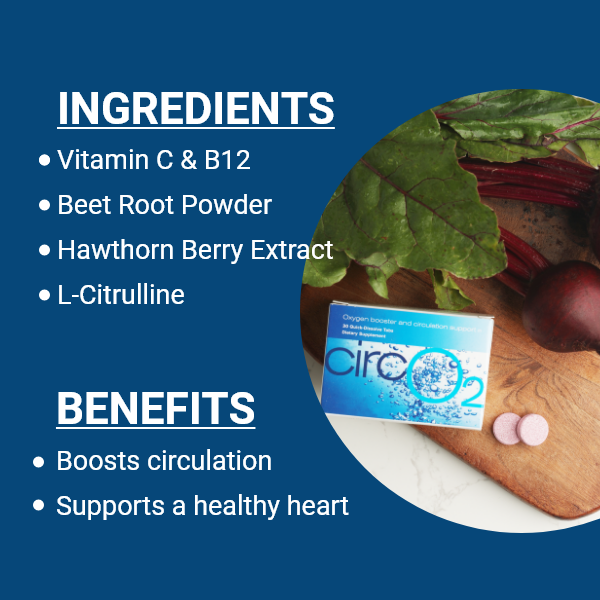
This post contains affiliate links. If you make a purchase through my links, I may receive a small commission at no additional cost to you. I only recommend products I truly believe in.
Set Realistic Expectations and Goals
During challenging times, it’s common to desire rapid change. This can lead us to set unrealistic goals, mistakenly believing they will motivate us to work harder. Unfortunately, this often has the opposite effect, overwhelming us and leading to inaction.
It is essential to set achievable goals that acknowledge your current circumstances and resources. Doing so allows you to take manageable steps without the pressure of unrealistic expectations. Aim high, but remember that success often comes from small, consistent actions rather than massive leaps.
Acknowledge Your Efforts
In the chaos of life, it’s easy to overlook our achievements and fixate on our shortcomings. During my lowest points, I often failed to recognize my progress, feeling more like a failure despite my efforts. It’s crucial to celebrate even the smallest victories and acknowledge that every step forward is significant.
When you find yourself doubting your path, pause and reflect on what you have endured and overcome. You are doing an incredible job, and it’s essential to give yourself credit for your resilience and determination.
Don’t Hesitate to Ask for Help
Being gentle with yourself also means recognizing when you need support and having the courage to ask for it. For a long time, I resisted seeking help, believing I should manage my problems solo. This mentality hindered my progress and made struggles feel more isolating.
Understand that asking for help does not signify weakness. Those who genuinely care for you will appreciate your vulnerability and likely be willing to support you. Remember that it’s not a failure to seek assistance; sometimes, it’s a path to healing.
Make Time for Self-Care
Self-care often takes a backseat when life becomes challenging. I too used to view it as an unnecessary luxury, especially when dealing with difficult changes. However, neglecting self-care only aggravates the stress we face.
Self-care is more than merely pampering ourselves; it is vital for mental resilience and emotional well-being. Recognize that everyone's need for care is legitimate. Prioritizing self-care is necessary for you to effectively deal with life’s challenges.
Set Boundaries
Are you exhausted from trying to please everyone around you? Many people struggle with overextending themselves to meet others' expectations, often to the detriment of their well-being. This behavior stems from the false belief that our worth is tied to our accomplishments or how much we can help others.
Establishing healthy boundaries is not about shutting others out; it is about recognizing and respecting your needs. Understand that you are deserving of care and that it’s okay to prioritize your well-being to ensure you can be present for others.
Nurture Positive Relationships
Surrounding yourself with supportive individuals is crucial for fostering self-kindness. Relationships that affirm your worth—not just based on what you can do for others—provide a valuable environment for emotional growth. Positive relationships allow you to express yourself freely without fear of judgment.
Nurturing these connections can help you recognize your self-worth, especially during moments of doubt. Remember to express gratitude for the people who lift you up and remind you of your value.
Practice Forgiveness
Forgiveness is a powerful act that helps us release the burdens of anger and resentment. Holding onto these negative feelings can weigh us down and prevent us from moving forward. It is crucial to remember that forgiveness is not about minimizing past hurts but freeing ourselves from their grip.
Learning to forgive yourself is equally important. Acknowledge mistakes and allow yourself the grace to grow from them. Your worth is not defined by past errors, but by your ability to learn and evolve.
Final Thoughts
Cultivating self-compassion is a journey that requires patience and understanding. Growth and healing take time, so celebrate small victories and forgive yourself for setbacks along the way. Remember, your path toward being gentle with yourself is unique to you.
Being kind to yourself does not mean lowering your standards; it signifies approaching your ambitions with a supportive heart. Embrace the belief that you are worthy of kindness and understanding, both from yourself and others. Always remember, you are not alone in this journey, and I am rooting for your success and happiness!