
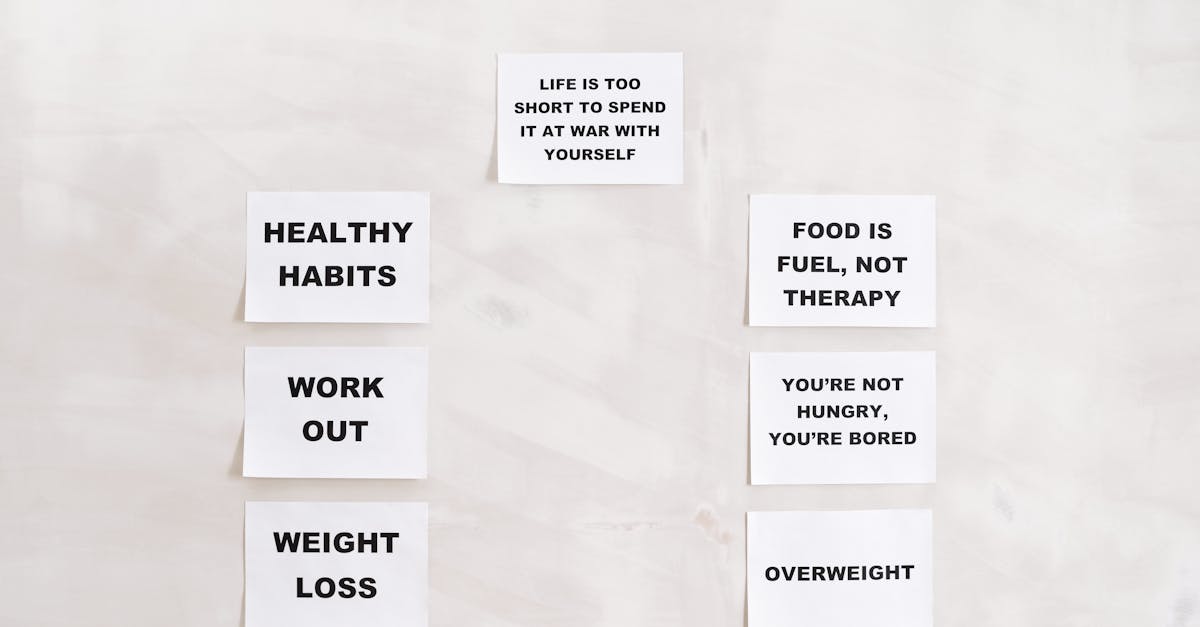
Essential Habits for Enhancing Your Mental Health
Fostering positive mental health habits is crucial for our overall well-being and can lead to a happier, less stressful life. For many years, I overlooked the importance of nurturing my mental health, believing that physical health and fulfilling my responsibilities were enough. I relentlessly pushed myself to achieve more, thinking that success was the key to happiness. No matter how exhausted I felt mentally and emotionally, I ignored the signs and prioritized everything else over my own needs.
It wasn't until I reached a breaking point that I realized how broken I truly was. That moment of vulnerability opened my eyes to a crucial truth: our happiness and well-being cannot rely solely on physical health and accomplishments. Mental health deserves equal priority, and neglecting it can lead to a harmful cycle affecting every facet of our lives.
Now, I sincerely believe that prioritizing mental health is one of the most significant keys to sustaining happiness and peace of mind. In this post, I will share small habits that have substantially improved my mental health. I hope some of these practices resonate with you, encouraging you to prioritize your own needs because taking care of ourselves is never time wasted.
Habits That Will Improve Your Mental Health
1. Complain Less
Do you often find yourself excessively complaining about every little issue? While it’s perfectly normal to express frustrations now and then, turning it into a constant habit can become detrimental. I’ve walked that path too. During my toughest times, my tendency to complain blossomed. I magnified every minor inconvenience into a significant disaster, justifying my negativity by claiming I was going through a lot.
While it’s true that we all deserve to express our feelings, using circumstances as an excuse to dwell on negativity is counterproductive. Instead of motivating me to tackle my problems, this mindset only worsened my mental health and clouded my perspective. I began to feel defeated and trapped, losing sight of solutions.
Recognizing this habit has been transformative. It helps to shift focus from what’s wrong to what can be done. Each time you catch yourself complaining, ask what actions you can take to improve the situation. This shift not only enhances your mood but also clears the mental fog, leading to a more productive mindset.
2. Be Present
Are you often lost in thought, fixated on past regrets or future worries? It’s an easy trap to fall into. I’ve been caught in this cycle, constantly planning for every possible scenario, believing it would safeguard me from potential pitfalls. However, this preoccupation only fueled my anxiety and distracted me from enjoying the present.
Life is too precious to spend in endless rumination. The habit of being present is crucial for mental health. Embracing the moment doesn’t mean neglecting future planning; it means actively engaging with the here and now.
Practicing mindfulness can cultivate this habit. Simple actions like meditating each morning, going for a mind-clearing walk, or focusing solely on your breath when overwhelmed help center your thoughts and enhance awareness of the present moment.
3. Stop Negative Self-Talk
Are you your own harshest critic? If so, you’re not alone. Many of us fall into the trap of being overly critical of ourselves. I certainly did. My incessant self-criticism, which I believed would push me to improve, ultimately led to devastating consequences for my self-esteem and mental health.
Constantly berating ourselves keeps us trapped in a cycle of fear and self-doubt. If this resonates with you, remember that you deserve the same kindness and compassion you offer others. Mistakes don’t negate your worth; they’re simply part of being human.
By practicing self-compassion, we grant ourselves the space to embrace our imperfections. Each moment spent acknowledging our struggles, rather than being overwhelmed by them, propels us toward personal growth and resilience.
4. Develop a Gratitude Practice
Incorporating daily gratitude into your life can be a game-changer for mental health. Initially, I dismissed this practice, equating it with toxic positivity. It’s easy to feel grateful when everything seems to be going well, but during tough times, finding something to be thankful for feels impossible.
However, I discovered that shifting my focus to gratitude didn’t undermine my problems; rather, it helped me recognize the balance between hardship and joy. While it may not erase difficulties, gratitude enables us to appreciate the small moments of joy amidst chaos.
5. Spend Quality Time Alone
Spending time alone is essential not only for personal growth but for mental well-being. Many of us find ourselves constantly engaged with others, prioritizing their needs over our own. I used to view solitude as an indulgence, something to enjoy only after every obligation was met. However, I learned that it’s crucial for maintaining our mental health.
Time alone provides a necessary space to breathe, reset, and reconnect with ourselves. It’s not selfish; it’s vital. By allowing ourselves time for solitude, we can manage responsibilities with renewed clarity and compassion.
6. Create a Bedtime Routine
A calming bedtime routine can significantly improve mental health and enhance sleep quality. Many nights, I would lie in bed, my mind racing, unable to unwind. This constant state of overstimulation was exhausting and damaging to my mental well-being.
In response to this struggle, I created a bedtime routine that transformed my evenings. By designating a strict bedtime and implementing a no-screen rule an hour before I sleep, alongside simple deep breathing exercises, I found a sense of peace that I had been missing.
Starting with small adjustments can ease you into this routine. For instance, aim to switch off screens 30 minutes before bed, gradually extending that time.
7. Embrace Forgiveness
Forgiveness can be one of life’s most challenging tasks. Holding onto past hurts can create a barrier, yet that very resentment can inhibit our healing and personal growth. I learned that harboring anger only served to imprison me, keeping me tethered to the past.
Choose forgiveness as a means of liberating yourself from emotional burdens. It’s not about dismissing the hurt or invalidating what transpired; it’s about freeing yourself to heal and move forward. Each step toward forgiveness deepens your commitment to prioritizing mental health.
Final Thoughts
Integrating these habits into your daily life can significantly uplift your mental well-being. Remember, you don't need to adopt every single habit at once. Pick those that resonate most with you and try incorporating them gradually.
Starting small is perfectly fine; even introducing one habit at a time can lead to meaningful changes. If something doesn’t work, don’t be discouraged. Adapt and keep exploring until you discover what truly suits you.
Your commitment to caring for your mental health is commendable and necessary. I wholeheartedly believe in your ability to make these changes, and I'm cheering for your success every step of the way.
This post contains affiliate links. If you make a purchase through my links, I may receive a small commission at no additional cost to you. I only recommend products I truly believe in.