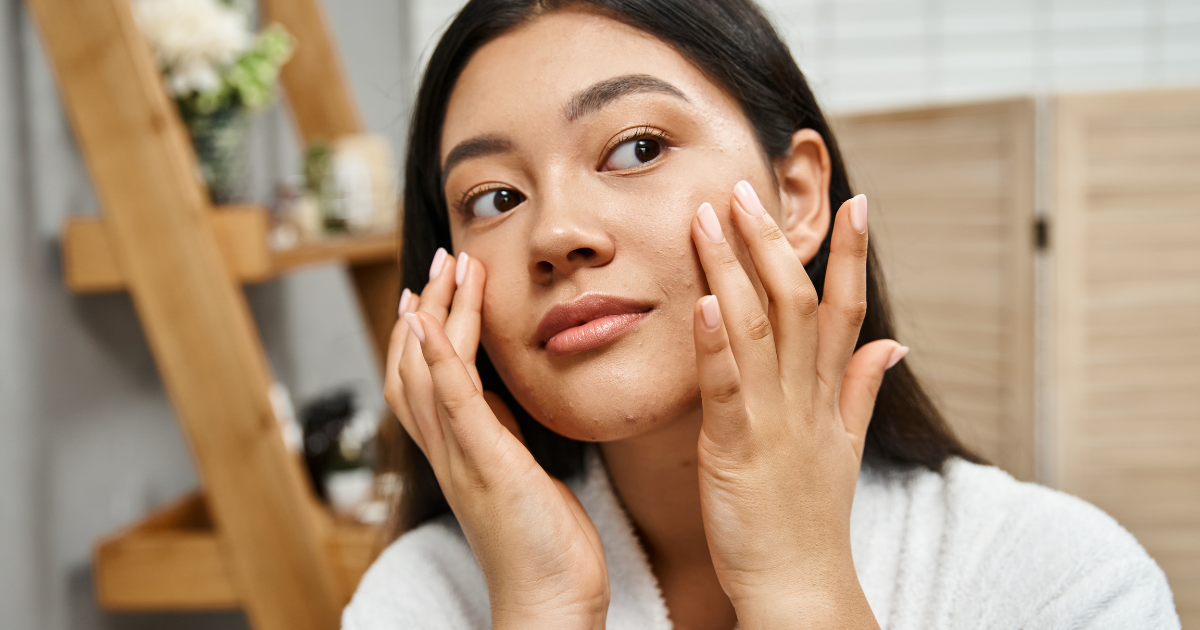
If you've noticed that your skin no longer bounces like it used to—after smiling, sleeping, or even just touching it—that's a sign that its elasticity is changing. It happens slowly and is completely normal.
You may already know me from my articles on natural skin care. As a certified organic skincare formulator and health coach, I focus on gentle, realistic ways to care for skin using simple ingredients and consistent habits.
In this article, I want to share the best skin elasticity remedies that I know of – the ones that actually support the skin. from inside and outside.
Here you'll find natural tips, ingredient ideas, and easy things you can do every day.
No hype. Just a practical and skin-friendly support.
You may already know that I work as a certified organic skincare formulator and health coach. I write a lot about practical and natural ways to take care of the skin, especially when it comes to aging well without harsh products or unrealistic promises.
My approach is always the same: keep it simple, natural and focus on what really supports the skin over time. Everything I share here is something I have used myself, recommended to others, or carefully researched.
If you're looking for real results without feeling overwhelmed, you've come to the right place.
What is skin elasticity and why is it important?

Skin elasticity is your skin's ability to stretch and bounce back. Think about how the skin moves when you smile or squint, then returns to rest. This is elasticity at work.
As we age, or after stress, weight loss, hormonal changes, or prolonged sun exposure, this rebound begins to fade. The skin becomes thinner, less supple and recovers more slowly from movement or pressure.
Is it unhealthy?
No way. It's a normal part of aging and life. Loss of elasticity is not dangerous: it does not mean that your skin is damaged.
But if it bothers you visually or you want to help your skin age more gracefully, there are are ways to help him stay stronger, bouncier and more supported.
Natural Remedies for Skin Elasticity That Actually Help
Each section below gives you not only the remedy, but also how and why it works, as well as tips for using it correctly.
1. Rosehip oil: my go-to for collagen support
Rosehip oil is one of the few natural sources of trans-retinoic acida form of vitamin A that helps support collagen production without irritating the skin like synthetic retinoids often do.
It is also filled with omega-3 and omega-6 fatty acidswhich help maintain the skin barrier – important for retaining moisture and keeping elasticity intact.
How to use it
Apply 2 to 3 drops to damp skin after misting. Use at night: this is when the skin does most of its repair work. Over time, this can help skin appear firmer, more even, and better hydrated.
2. Gotu kola: the herb of elasticity that works from the inside And out
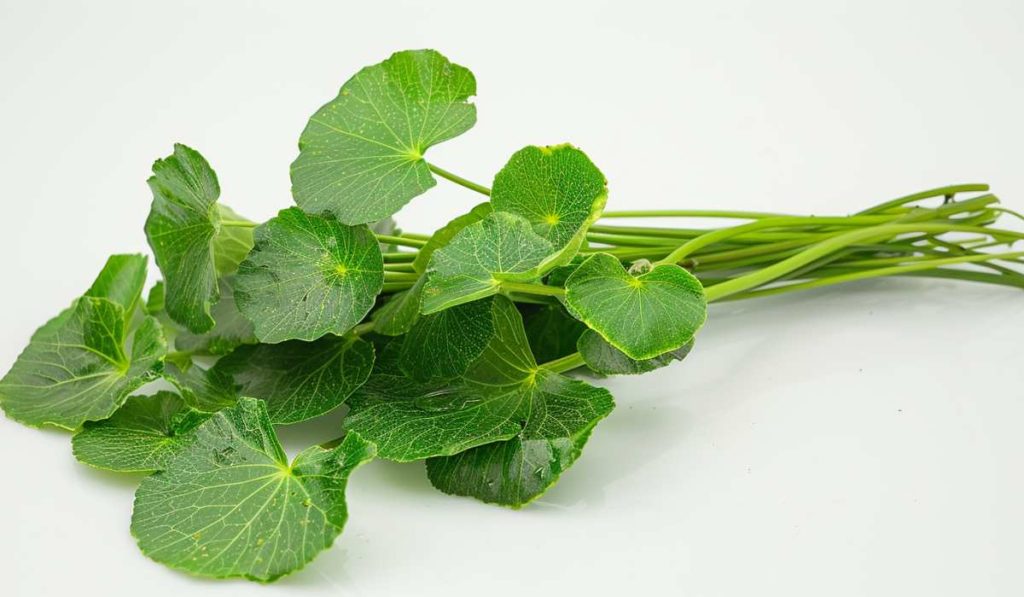
Gotu kola has been used for centuries in Ayurvedic and traditional Chinese medicine. It is known for stimulate fibroblasts — the cells responsible for the production of collagen and elastin.
Studies have shown that it can help with wound healing, stretch marks, and firmness. It's soft and works well as herbal infusion (tea) and a topical treatment.
How to use it
- Tea: Drink 1 to 2 cups per day. Let it cool slightly before eating it.
- Topical: Brew a strong tea, cool it and use it as a tonic or compress 3 times a week.
3. Aloe vera: hydration and bounce in a single plant
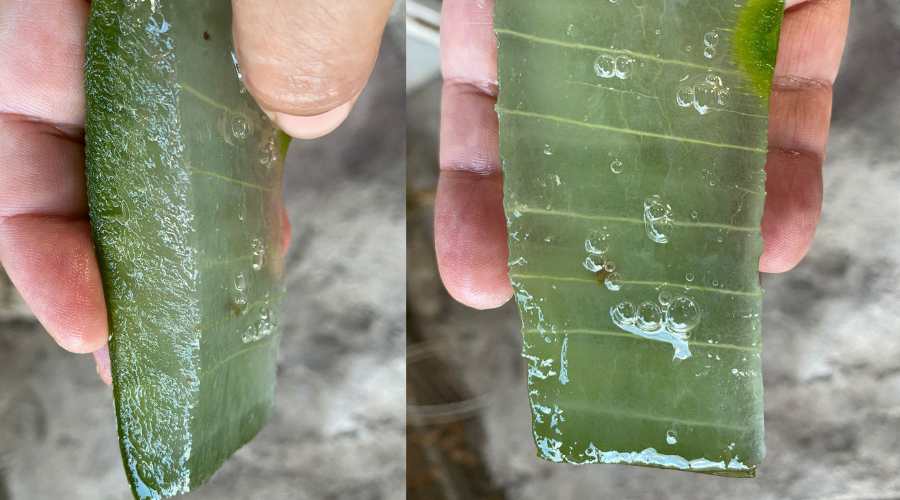
Aloe doesn't just soothe. It contains polysaccharides which help the skin retain water and give it a firm, plump appearance. It also slightly stimulates fibroblast activity.
How to use it
Apply a thin layer of pure aloe vera gel as a serum under an oil or moisturizer. You can also mix it into homemade masks with cucumber, rice flour or plant extracts.
4. Natural vitamin C: the collagen cofactor
Vitamin C is essential for the synthesis of collagen. Without it, your body cannot properly form or maintain the collagen network that maintains skin elasticity.
Although serums exist, you can also promote elasticity through natural food sources like camu camu powder, acerola, citrus fruits, parsley and broccoli.
Advice: A little camu camu powder mixed into a smoothie or water gives a big boost of vitamin C without synthetic additives.
5. Hydration: the little-known elasticity booster

Elasticity doesn't work without hydration. Dehydrated skin becomes tight, dull and more prone to wrinkling, even if collagen levels are okay.
How to hydrate well
- Internally: Water, herbal teas, foods rich in water (lettuce, melon, cucumber)
- Topically: Always apply oils and creams to damp skin and use a hydrating toner like rose or chamomile water.
Mist Hack: Keep a sprayed bottle of rose water in the refrigerator and use it throughout the day to supplement hydration and give a mini lift to the skin.
6. Facial massage: stimulate, lift and tone naturally
When you massage the face, you stimulate circulation, drain excess fluid and gently work the underlying muscles, which helps support elasticity.
How to do it
Use oil or aloe to prevent slipping. Start with gentle upward movements from the chin to the cheeks, then to the temples. Work on the eyebrow and under the jawline. Just 2 to 3 minutes a day makes a difference.
7. Omega-rich foods: nourish your elasticity from the inside out
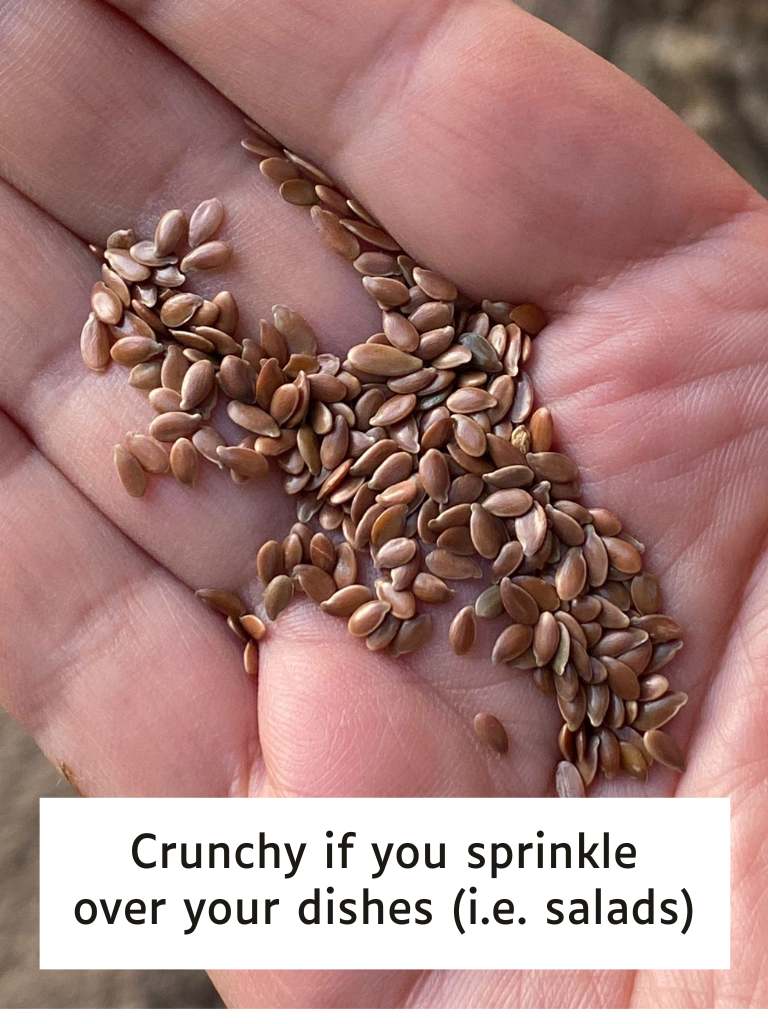
Elasticity isn't just about surface care: your skin is built from the nutrients you give it. Essential fatty acids help form healthy cell membranes and keep skin supple.
Include in your diet
- Chia seeds, flax seeds, hemp seeds
- Nut
- Lawyers
- Pumpkin seeds
These fats help your skin stay elastic – don’t just look at it for a moment.
PRIME! Easy DIY mask: kiwi + aloe for a vitamin-filled facelift
Kiwi is rich in vitamin C and enzymes that gently exfoliate and brighten. Aloe adds hydration and calm. Together they make a lovely pair for tired, less elastic skin.
How to do it
Mix a slice of kiwi with a teaspoon of aloe. Apply to clean skin for 10 minutes and rinse. Use once a week.
Daily habits that protect your skin's elasticity
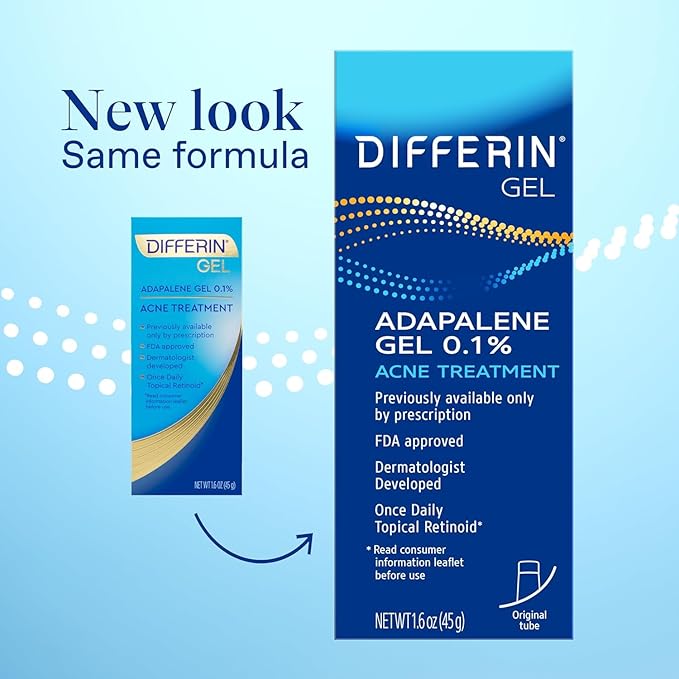
These are simple but powerful:
- Get enough sleep — the skin rebuilds itself overnight
- To use daily sun protection (zinc oxide based is ideal)
- Don't do it cleaning too much — this weakens the barrier
- Avoid smoking and manage stress when possible
- Keep your skin routine moisturizing and soft
Final Thoughts
Losing elasticity is a part of life, but that doesn't mean there's nothing we can do.
Focus on supporting, not knocking down.
Give your skin what it needs to stay strong, hydrated and supple.
The skin responds to the softness and consistency.
An oil.
A herb.
A glass of water.
This is how change begins.